What is Vision Therapy & How It Works
For individuals facing vision-related challenges that cannot be fully addressed with glasses, contact lenses, or eye surgery alone, Vision Therapy offers a specialized and effective approach to improving visual skills and enhancing quality of life. Despite its growing recognition, many people remain unfamiliar with what vision therapy entails and how it can address binocular vision disorders, visual processing issues, and even difficulties like double vision. In this post, we explore the concept of vision therapy, its purpose, techniques, and the range of conditions it can address to optimize visual performance.
Interested in Vision Therapy programs? See our Vision Therapy Services.
What is Vision Therapy?

Vision therapy is a customized and supervised personalized treatment program designed to improve specific visual functions. Unlike traditional corrective lenses, Vision Therapy targets the underlying neurological processes that govern how the eyes function and interact with the brain. By focusing on these areas, it can enhance visual skills such as eye comfort, depth perception, eye tracking and eye-hand coordination, leading to more comfortable vision and improved efficiancy.
Purpose of Vision Therapy
The primary goal of vision therapy is to address deficiencies or inefficiencies in the visual system that may cause a range of symptoms, including:
- Binocular vision disorders: Conditions like convergence insufficiency, strabismus, and amblyopia can be effectively treated with a program of vision therapy to improve eye movements, alignment, and depth perception.
- Accommodative disorders: Vision therapy helps with issues related to focusing, such as accommodative insufficiency and visual processing speed, improving focus flexibility and stamina.
- Visual processing deficits: Therapy targets problems with visual input, helping enhance visual-motor integration, peripheral vision, and visual consequences stemming from neurological disorders or brain injury.
Techniques and Approaches
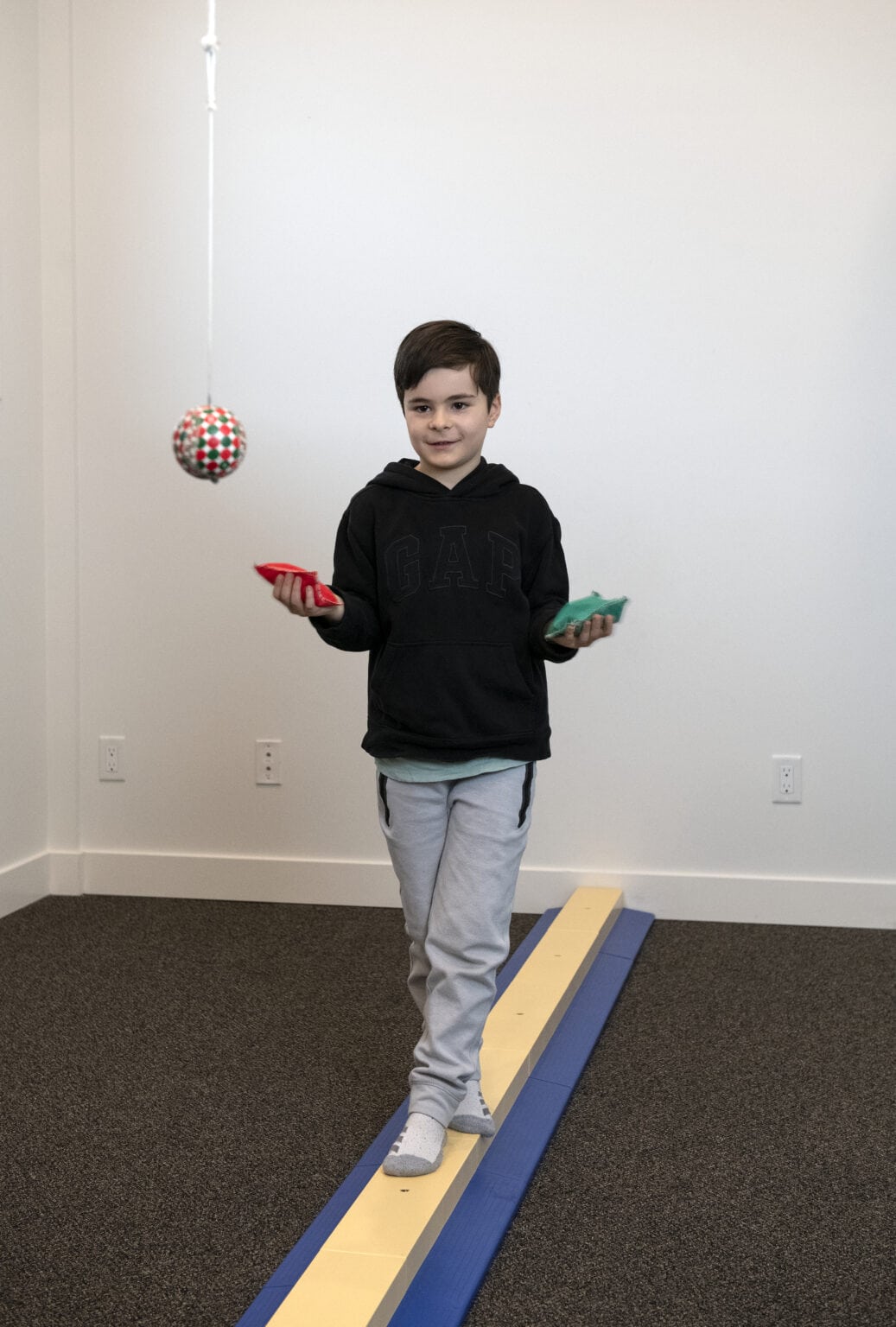
Each vision therapy program is uniquely designed to meet the needs of the individual, considering factors like age, diagnosis, and functional requirements. Techniques used in vision therapy may include:
- Oculomotor exercises: These activities focus on improving eye movements, including tracking and smooth pursuits.
- Binocular vision exercises: These target binocular vision to improve depth perception and eye teaming, crucial for daily tasks and academic performance.
- Accommodative training: Exercises to strengthen focusing ability, improving flexibility and reducing visual discomfort during reading and screen time.
- Visual-motor integration tasks: Enhancing eye-hand coordination through activities like copying patterns or using balance boards.
Does Vision Therapy Work?
Vision therapy has gained recognition as an effective intervention for a variety of visual disorders, but many individuals remain skeptical about its efficacy. Understanding whether vision therapy works involves looking at clinical evidence, success stories, and the experiences of patients.
Clinical Evidence and Research
Numerous studies have shown positive outcomes associated with vision therapy. Research highlights include:
- Success Rates for Amblyopia (Lazy Eye): Studies indicate that vision therapy can significantly improve visual acuity in amblyopic patients, particularly when treatment occurs during childhood. Results suggest that incorporating both optometric and perceptual training leads to substantial improvements.
- Effective Treatment for Convergence Insufficiency: The American Academy of Ophthalmology endorses vision therapy as a first-line treatment for convergence insufficiency. A large-scale randomized control trial demonstrated that patients undergoing vision therapy experienced notable improvements in symptoms and visual function compared to those receiving only home exercises.
- Enhanced Visual Processing: Research has shown that vision therapy effectively addresses visual processing deficits. Children with learning disabilities or attention issues often show significant gains in visual-motor skills and overall academic performance post-therapy.
Patient Experiences
Patient testimonials further illustrate the potential benefits of vision therapy. See our testimonials.
Benefits of Vision Therapy
Vision therapy offers a range of benefits, including:
- Improved visual skills: Enhanced coordination for better sports performance, effective reading, and increased productivity in work or school.
- Reduced eye strain: Decreased symptoms like headaches and fatigue, often associated with blurry vision or long periods of screen time.
- Enhanced depth perception: Improved 3D vision and spatial awareness for activities requiring precise coordination.
- Better academic and school performance: Many children with learning difficulties or attention deficits benefit from developmental optometrists who help improve visual skills that impact reading levels and classroom performance.
Who Can Benefit from Vision Therapy?
Vision therapy is beneficial for individuals of all ages, from children with poor attention spans and children with learning problems, to adults recovering from brain trauma or dealing with age-related visual processing issues. It can also help athletes improve sports vision and eye-brain connection for enhanced sports performance.
For those experiencing double vision, visual discomfort, or other visual challenges that impact daily life, vision therapy offers a functional approach to improving visual abilities without relying solely on corrective lenses or surgery.
Are you or someone you know experiencing vision issues that go beyond traditional corrective solutions?
A comprehensive vision evaluation with an experienced vision therapy eye doctor or Developmental Optometrist can help determine if you’re a candidate for vision therapy. Book a consultation today and take the first step toward better eye health and improved quality of life!