Why is Visual Health Crucial To Get Right in Education at All Stages of Life
Are you concerned about your child’s academic performance? Have you noticed them struggling to read or keep up in class? If so, their vision might be the hidden culprit. Visual health is a critical, yet often overlooked, aspect of learning that affects students of all ages. From early childhood education to professional development, maintaining good eye health can significantly impact a student’s ability to succeed. In this post, we’ll explore the profound influence of visual health on education and provide strategies to ensure your child’s vision supports their academic growth.
Child Eye Health and Vision Problems
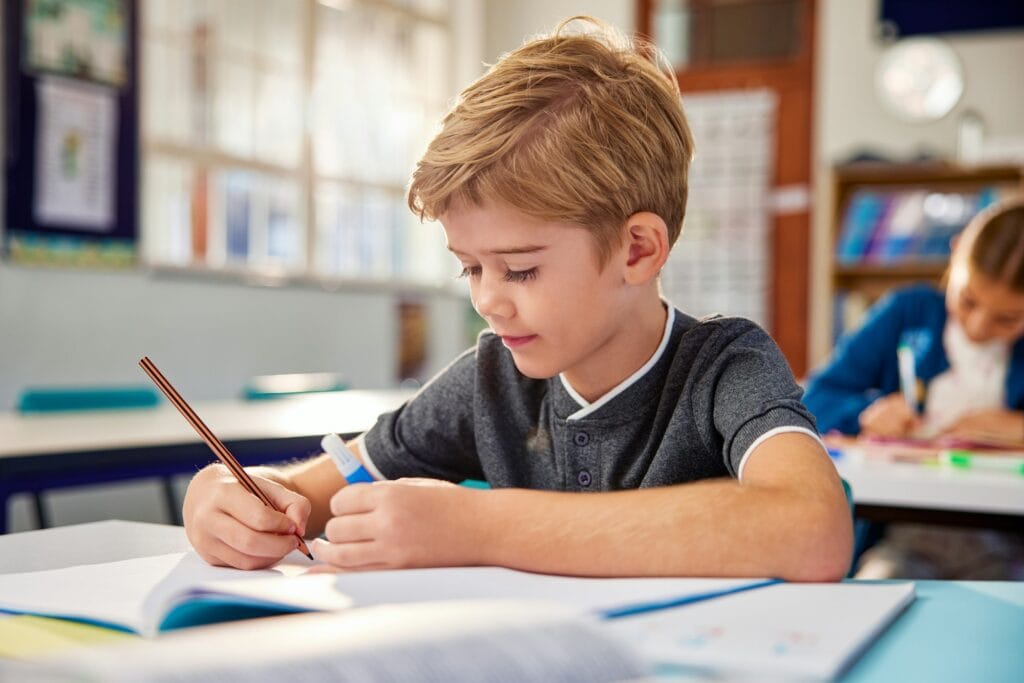
Vision impairments can significantly hinder school-going children’s ability to learn and perform academically. Common vision problems usually manifest as:
- Poor reading comprehension and fluency
- Difficulty focusing and sustaining attention
- Reversals and confusion with letters, numbers, and words
- Skipping lines or losing place while reading
- Headaches, eye strain, and fatigue during close work
- Reduced participation and engagement in classroom activities
- Behavioural issues and frustration with learning tasks
Visual Health: A Lifelong Necessity
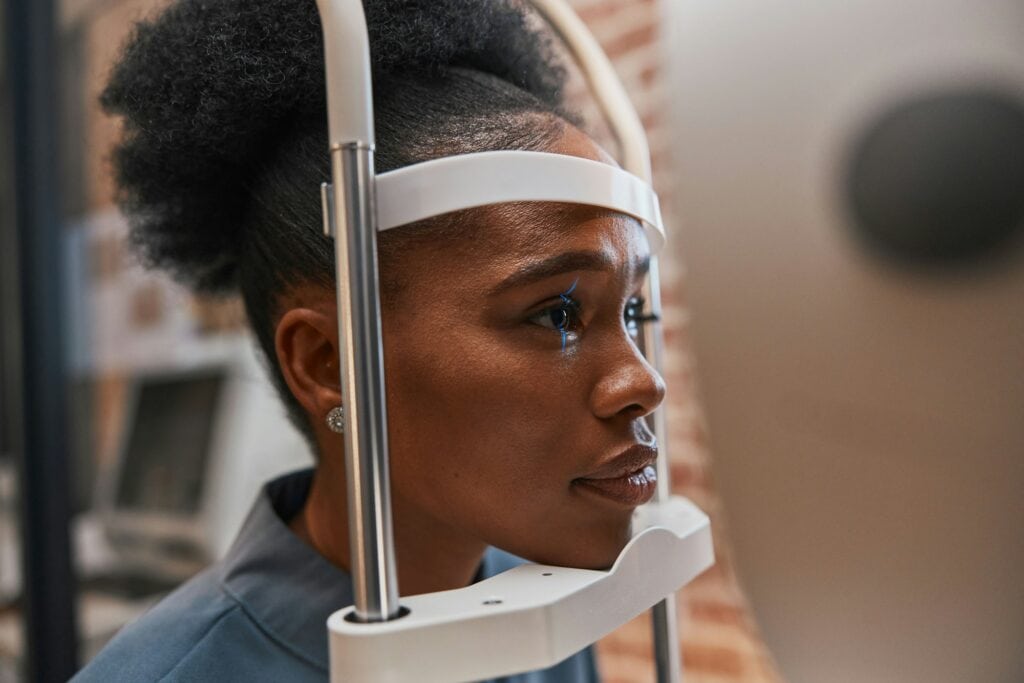
Vision is frequently described as the gateway to learning, serving as a vital mechanism through which individuals—especially school-aged children—perceive, interpret, and engage with their environment. Healthy eyesight is crucial not only for basic tasks like reading and writing but also for active participation in classroom discussions and extracurricular activities. Strong visual abilities significantly influence attention spans and overall academic performance.
Visual Demands Across Educational Stages
Early Childhood Education
- Developmental Milestones: Young children are developing critical visual skills that underpin their learning processes. Vision screenings and appropriate interventions are key to identifying issues early.
- Impact on Learning: Visual impairment in children can lead to difficulties in recognizing letters and numbers, which can hinder reading and math skills.
Primary and Secondary Education
- Increased Visual Load: As students progress, they face greater visual demands—such as reading from textbooks, taking notes, and using digital devices—requiring effective visual skills.
- Academic Performance: Research indicates that visual impairments can lead to lower academic achievement, affecting grades and self-esteem.
Higher Education
- Intense Visual Requirements: College courses often involve extensive reading, research, and screen time. Good vision is crucial for managing these rigorous demands.
- Classroom Dynamics: Strong visual skills enhance participation in group discussions, labs, and presentations, contributing to a more enriching educational experience.
Continuing Education and Professional Development
- Skills Enhancement: Lifelong learners engaged in professional development rely on vision to absorb new information, attend workshops, and fulfil job responsibilities.
- Adapting to Technology: As many continuing education programs utilize online platforms, good vision becomes essential for navigating digital content effectively.
Strategies to Promote Visual Health in Education

- Regular Eye Examinations: Encourage regular comprehensive eye examinations for students of all ages to detect and address vision problems as early as possible.
- Creating a Conducive Learning Environment: Ensure that classrooms are well-lit and that students have appropriate seating arrangements that promote good posture and vision.
- Educating About Visual Hygiene: Teach students about practices that support eye health, such as taking breaks during extended screen time and using proper lighting when reading or studying.
- Integrating Visual Exercises: Incorporate activities that strengthen visual skills, such as eye-tracking games and exercises designed to enhance focus and concentration.
- Promoting Accessibility: Advocate for tools and technologies that assist students with visual impairments, ensuring an inclusive educational environment.
Early Detection and Intervention
Early detection and intervention are crucial for addressing vision-related barriers to learning and promoting academic success. Regular comprehensive eye exams are essential for identifying vision problems that may otherwise go unnoticed, as many children may not be aware of their visual challenges or may struggle silently without expressing their difficulties. Eye exams in children conducted by optometrists can assess visual acuity, eye health, binocular vision, and visual processing skills, enabling timely diagnosis and appropriate intervention strategies, such as prescription eyeglasses, vision therapy, or accommodations in the classroom environment.
Importance of Annual Eye Exams and Eyeglasses for Children
Annual Eye Exams: Primary care starts with a comprehensive eye exam, crucial for assessing a child’s eye health and overall development. Research indicates that up to 80% of learning occurs through visual input, making clear vision essential for academic success. Unfortunately, one in four school-age children may have a vision problem that, if left undetected, can significantly hinder their learning, social development, and overall well-being. It is recommended that all children have a comprehensive eye exam before entering school and continue to receive annual exams thereafter. BC Medical Services Plan (MSP) covers routine eye tests for children and youth under the age of 19, making it financially accessible for families.
Eye Glasses: Children with vision problems are commonly prescribed corrective lenses. A pair of glasses can play a pivotal role in enhancing a child’s ability to see clearly, thereby improving their educational outcomes, quality of life, and economic productivity.
Promoting Visual Health and Learning
Educators, parents, and healthcare providers play vital roles in promoting visual health and supporting learning success for children. Here are some strategies to enhance the vision-learning connection:
- Encourage regular eye exams
- Create a vision-friendly environment
- Encourage visual breaks
- Advocate for inclusive education
Vision is a cornerstone of learning, influencing every aspect of academic performance and educational experiences. By recognizing the importance of visual skills in learning and addressing vision-related challenges proactively, we can empower children to reach their full potential and thrive academically.e of visual skills in learning and addressing vision-related challenges proactively, we can empower children to reach their full potential and thrive academically.